Home HIV Tests Are Great — But Do Not Ghost the Follow-Up
A modeling study suggests self-testing could meaningfully cut new HIV infections — as long as a reactive result leads somewhere.
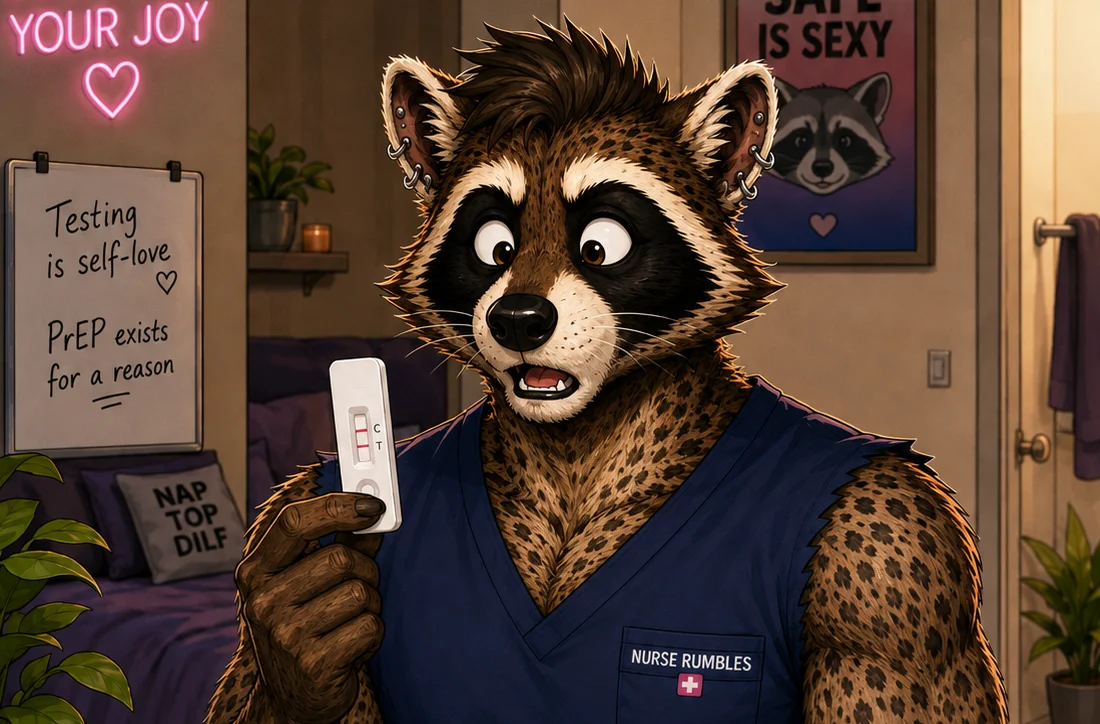
Testing for HIV at home can feel much easier than walking into a clinic, especially when privacy, stigma, insurance, transportation, or anxiety gets involved.
A mathematical modeling study looked at what might happen if gay, bisexual, and other men who have sex with men used HIV self-testing more often. The model suggested that adding self-tests to existing testing could reduce HIV incidence by up to 10% and increase awareness of status from 85% to 91% over a ten-year period — provided that people with reactive results received confirmatory testing and entered care promptly, generally within 90 days.
That last part matters. A home test is the beginning of a conversation, not the final diagnosis.
Some self-tests may not detect a very recent infection as early as laboratory-based antigen-antibody or nucleic-acid testing. If you recently had a possible exposure, have symptoms, or receive a reactive result, contact a healthcare provider rather than repeatedly testing at home and spiraling.
I love home testing because autonomy is sexy. You can test privately, on your schedule, without explaining why you had six partners at Market Days. Still, a reactive result deserves timely confirmatory testing, support, and medical care.
HIV is treatable. People on effective treatment can live long lives, and someone who maintains an undetectable viral load does not sexually transmit HIV.
No shame. No moral lesson. Just information and the next right step.
Original research
The Effects of HIV Self-Testing on HIV Incidence and Awareness of Status
arXiv (preprint)
Read the studyPreprint · not yet peer-reviewed
This source is a preprint. It has been shared for early visibility but has not completed formal peer review — treat its findings as preliminary.
Share
Need care, testing, or support?
HIV and STI services nationwide
CDC information line
Planned Parenthood appointments
Los Angeles LGBT Center
Substance-use treatment and support
Mental-health crisis support
Follow That Slutty Nurse
For social pages, projects, and everything else that can't behave itself:
Medical disclaimer
This article shares sexual-health education, research summaries, and personal commentary. It does not provide individual medical diagnosis or treatment. Research findings and public-health recommendations may change as new evidence becomes available. Talk with a qualified healthcare professional about symptoms, testing, medications, prevention options, and decisions affecting your health.
Related reading

Clubs and Bathhouses Can Be Part of Public Health
A bowl of condoms does not create an orgy, just like a fire extinguisher does not create a kitchen fire.

Milk Won't Save Your Friend
Somewhere along the way, the party community decided that milk and fatty foods were the cure for a G overdose. I did the research. That's not how any of this works.

The Study Didn't Even Ask About Meth
Last week I wrote about a San Francisco study that looked at how MSM and trans women perceive risk from substance use. It covered needle sharing, opioids, sex while under the influence. Solid research. But the researchers themselves flagged something I haven't been able to stop thinking about.