Clubs and Bathhouses Can Be Part of Public Health
A UK study on nightclubs and sex-on-premises venues shows why outreach has to meet people where they actually are.
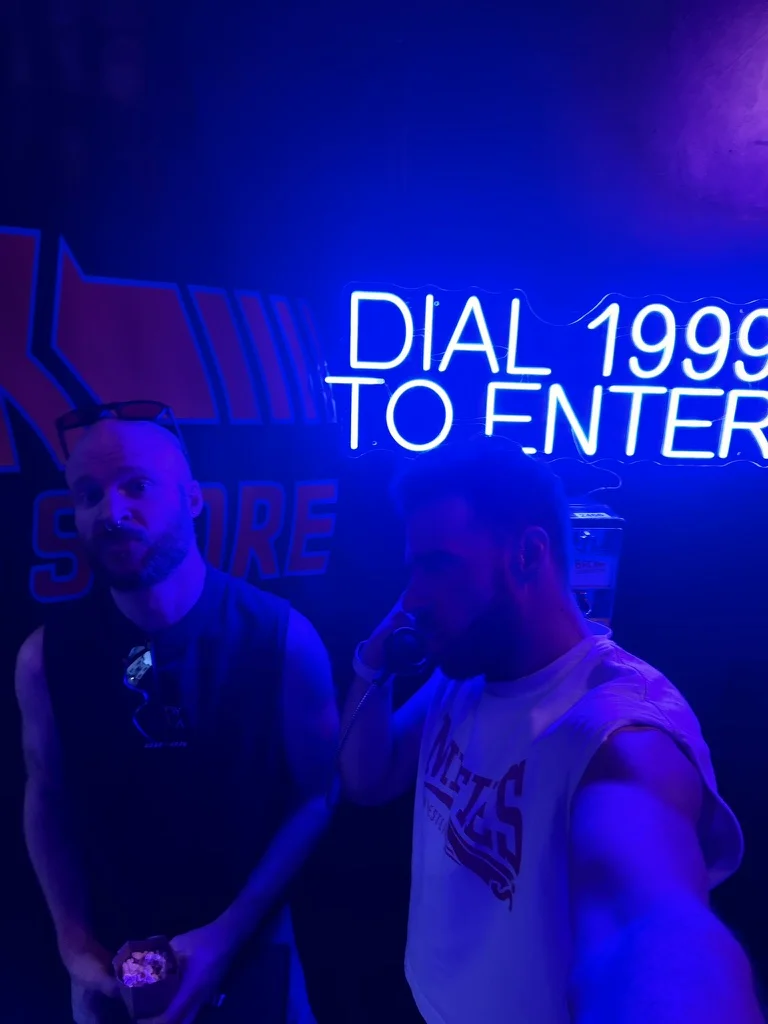
Sexual-health outreach should happen where people actually meet, dance, cruise, flirt, and use substances — not only inside beige medical offices at 10:30 on a Tuesday morning.
A 2025 study explored barriers to harm-reduction services for gay, bisexual, and other men who have sex with men in nightlife and sex-on-premises venues in London and the Southeast of England. Participants described practical and social obstacles that can keep people from accessing safer-use supplies and information in the very places where they may be most useful, including inconsistent venue policies and economic and legal barriers venues face in endorsing harm reduction openly.
Venue-based harm reduction might include condoms and lube, but it should also include drug-checking or test strips where legal, naloxone, hydration stations, drug-interaction information, STI testing events, PrEP referrals, and staff trained to recognize an overdose or medical emergency.
Some people argue that providing these services encourages risky behavior. I disagree. A bowl of condoms does not create an orgy, just like a fire extinguisher does not create a kitchen fire. I can't begin to tell you how many outrageous myths I bust every week talking to people who "heard this from the other guy who told him that ..." Harm reduction means not only providing resources for activities not "approved" by your local area, but also education about those topics. It's what I have always aimed my social media content to do.
Queer venues have always served as more than places to drink. They have functioned as community centers, dating apps before dating apps, protest headquarters, HIV fundraisers, and chosen-family living rooms. Treating them as legitimate public-health partners respects that history.
The best outreach doesn't interrupt someone's gangbang with a lecture (although sometimes I do, and it really kills the vibes). But make tools and resources available in a way that protects privacy, and lets them get back to being sluts.
Original research
Barriers to uptake of harm reduction techniques for GBMSM who use drugs in night-clubs and sex-on-premises venues in London and the Southeast
Harm Reduction Journal
Read the studyShare
Need care, testing, or support?
HIV and STI services nationwide
CDC information line
Planned Parenthood appointments
Los Angeles LGBT Center
Substance-use treatment and support
Mental-health crisis support
Follow That Slutty Nurse
For social pages, projects, and everything else that can't behave itself:
Medical disclaimer
This article shares sexual-health education, research summaries, and personal commentary. It does not provide individual medical diagnosis or treatment. Research findings and public-health recommendations may change as new evidence becomes available. Talk with a qualified healthcare professional about symptoms, testing, medications, prevention options, and decisions affecting your health.
Related reading
Milk Won't Save Your Friend
Somewhere along the way, the party community decided that milk and fatty foods were the cure for a G overdose. I did the research. That's not how any of this works.
The Study Didn't Even Ask About Meth
Last week I wrote about a San Francisco study that looked at how MSM and trans women perceive risk from substance use. It covered needle sharing, opioids, sex while under the influence. Solid research. But the researchers themselves flagged something I haven't been able to stop thinking about.
Chemsex Harm Reduction Needs to Sound Like Real Life
Telling somebody to 'just stop using drugs' before sex isn't harm reduction. It's a sentence people say when they want the conversation to end.