Milk Won't Save Your Friend
What to Actually Do When Someone Gs Out
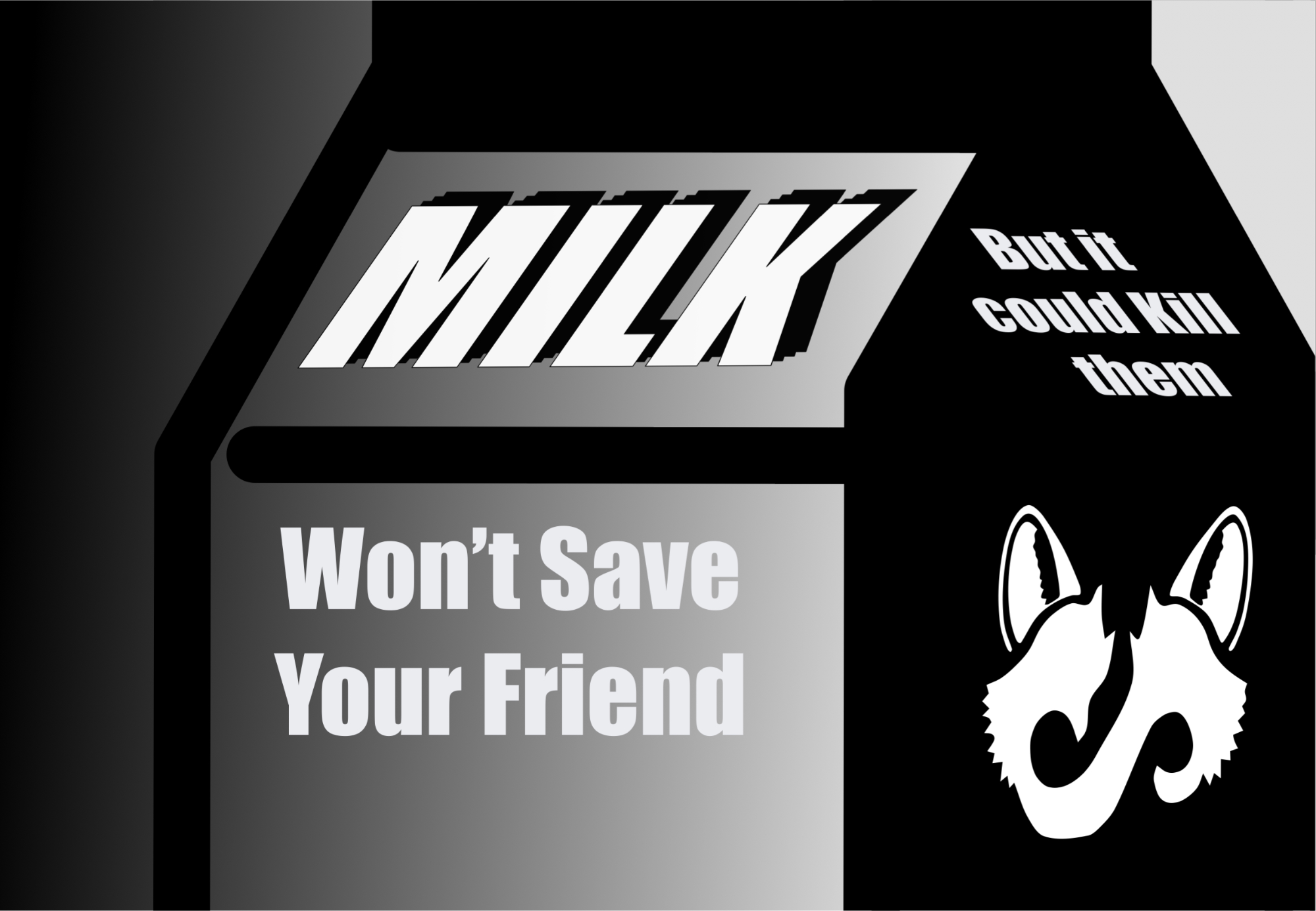
Somewhere along the way, the party community decided that milk and fatty foods were the cure for a G overdose. I've heard it in person. I've seen it in group chats. Someone drops, and the first thing people reach for is a glass of whole milk like they're treating a stomachache and not a central nervous system depressant knocking someone unconscious.
I did the research. That's not how any of this works.
GHB and GBL are central nervous system depressants. When someone "Gs out" — goes unconscious or becomes unresponsive after taking too much — their brain is being sedated. Their breathing can slow, become shallow, or stop. Their gag reflex can disappear. That last part is the one that should scare you, because it means anything you put in their mouth can end up in their lungs.
That's called aspiration. And aspiration can kill someone faster than the G itself.
What NOT to Do
Let me be direct about this, because the wrong advice is loud and confident right now:
Don't give them milk. There is no mechanism by which milk absorbs, neutralizes, or speeds up the metabolism of GHB. It doesn't coat the stomach in any useful way when the problem is that someone's brain is shutting down their ability to breathe. What it can do is give them something to choke on when they vomit — and people on G vomit a lot.
Don't give them food, water, juice, or anything by mouth. The International Overdose Awareness Day guidelines are explicit: "Do NOT give anything to eat or drink — this can induce vomiting." An unconscious person who vomits without a gag reflex aspirates. Period.
Don't give them other drugs to "wake them up." I've heard of people giving someone who's G'd out a bump of coke or a hit of meth to counteract the depressant. This doesn't cancel anything out. A CNS depressant plus a stimulant doesn't equal sober — it equals a heart working against itself. You're stacking cardiac risk on top of respiratory depression.
Don't try to make them vomit. Same aspiration risk. If their gag reflex is compromised, inducing vomiting is one of the most dangerous things you can do.
Don't slap, punch, or bite them to keep them awake. A 2023 study in the Harm Reduction Journal documented people using physical violence — punching, biting, slapping — as a response to GHB overdose. Researchers noted this creates "potential risks for aspiration, injury." You won't bring someone's brainstem back online by hitting them.
Don't leave them alone. Even if they seem conscious. GHB is dose-unpredictable — a very small increase can cause a blowout lasting hours. Someone who looks okay can stop being okay in minutes.
What to Actually Do
The evidence-based consensus across every reputable harm reduction organization I could find — SFAF, the Australian Drug Foundation, International Overdose Awareness Day, UCSF Hospital Handbook — comes down to a pretty short list:
Put them in the recovery position. On their side, head tilted slightly back, airway clear. This is the single most important thing you can do. If they vomit, gravity keeps it out of their airway instead of in their lungs.
Watch their breathing. Look at their chest. Listen. If breathing is shallow, noisy, slow, or stops — that's your signal. Blue or pale lips mean oxygen isn't getting where it needs to go.
Call 911. If they're unresponsive, seizing, not breathing normally, or their lips are turning blue — call. I know there's fear around calling emergency services at a party, but EMS is there for medical emergencies, not to arrest anyone. Tell them what the person took. That information helps them treat your friend.
Stay with them. Don't pass the responsibility to someone else and walk away. Stay, watch, and keep checking.
If they're still conscious but fading: Try to keep them awake by talking to them in a loud voice. Get them to sit in a supported position so they don't fall. Don't shake them violently — a gentle shoulder grab and firm voice is enough.
A Note About Mixing
GHB becomes exponentially more dangerous when combined with other depressants. Alcohol is the biggest one — even a small amount of alcohol on top of G massively increases the chance of overdose. Ketamine, benzos, opioids, sleeping pills, sedatives, antihistamines — all of these compound the CNS depression. If someone has been drinking and takes G, the risk isn't additive. It's multiplied.
And here's the part nobody wants to hear: you cannot accurately dose GHB by eyeballing it. The difference between a recreational dose and an overdose can be less than a milliliter. If you're going to use, measure with a marked oral syringe, not a capful, not a "splash." Write down what you took and when. Set a timer. Don't redose for at least two hours — GHB accumulates in the body, and redosing too soon is one of the most common paths to a blowout.
Why This Matters
Most people who respond to a G overdose learned from other people at parties — not from medical professionals or harm reduction organizations. That 2023 Harm Reduction Journal study confirmed exactly that: the majority of participants "learned how to respond via lived experience and peer education rather than formal training."
Peer education is powerful. But when the peers are passing around the milk myth or telling people to give someone a line of coke to wake them up, peer education is also how people die.
You don't need a nursing degree to save someone's life at a party. You need the recovery position, a phone to call 911, and the willingness to stay.
Medical Disclaimer
This article shares sexual-health education, research summaries, and personal commentary. It does not provide individual medical diagnosis or treatment. Research findings and public-health recommendations may change as new evidence becomes available. Talk with a qualified healthcare professional about symptoms, testing, medications, prevention options, and decisions affecting your health.
Research Note
I want to flag something that kept coming up in the research: GHB withdrawal is medically dangerous in a way most people don't realize. Physical dependence can develop within 3–7 days of daily use, and withdrawal can involve seizures, delirium, and autonomic instability that requires ICU-level care. That's a different blog post, but if you're using daily or close to it, that's a conversation worth having with a provider — and it's not one to white-knuckle through alone.
Original research
GHB (including GBL and 1,4-B): Signs of overdose and how to respond.
International Overdose Awareness Day
Read the studySources
- GHB (including GBL and 1,4-B): Signs of overdose and how to respond. — International Overdose Awareness Day
- GHB and harm reduction. — Alcohol and Drug Foundation (Australia)
- Harm Reduction & Overdose Prevention: GHB. — San Francisco AIDS Foundation
- G-Hydroxybutyrate (GHB) Overdose and Withdrawal — UCSF Hospital Handbook.
Share
Need care, testing, or support?
HIV and STI services nationwide
CDC information line
Planned Parenthood appointments
Los Angeles LGBT Center
Substance-use treatment and support
Mental-health crisis support
Follow That Slutty Nurse
For social pages, projects, and everything else that can't behave itself:
Medical disclaimer
This article shares sexual-health education, research summaries, and personal commentary. It does not provide individual medical diagnosis or treatment. Research findings and public-health recommendations may change as new evidence becomes available. Talk with a qualified healthcare professional about symptoms, testing, medications, prevention options, and decisions affecting your health.
Related reading
The Study Didn't Even Ask About Meth
Last week I wrote about a San Francisco study that looked at how MSM and trans women perceive risk from substance use. It covered needle sharing, opioids, sex while under the influence. Solid research. But the researchers themselves flagged something I haven't been able to stop thinking about.

Clubs and Bathhouses Can Be Part of Public Health
A bowl of condoms does not create an orgy, just like a fire extinguisher does not create a kitchen fire.

Chemsex Harm Reduction Needs to Sound Like Real Life
Telling somebody to 'just stop using drugs' before sex isn't harm reduction. It's a sentence people say when they want the conversation to end.